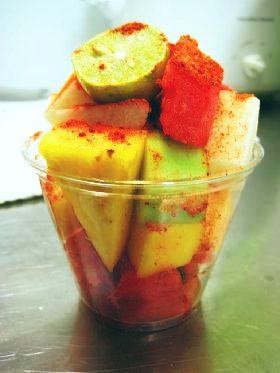
Sometimes something as simple as a way of preparing what everyone eats can lead to a moment of otherness. Surely this can happen to most everyone: but it specifically happened to me in Emeryville (near Berkeley, CA) while working at a Trader Joe’s.

Sometimes something as simple as a way of preparing what everyone eats can lead to a moment of otherness. Surely this can happen to most everyone: but it specifically happened to me in Emeryville (near Berkeley, CA) while working at a Trader Joe’s.
By next summer there will be a cumbia show at Hollywod Bowl. Mark my words.
With the popularity of Very Be Careful, Santa Cecilia and Buyepongo among MANY other groups, LA is shaping up for cumbia to be the next flavor to blow up.
I know cumbia clubs have existed for a while, so have their artists, but the above mentioned are not playing in exclusive cumbia spaces. They are playing to billingual Chicano/a crowds at local hip spots as well as Grand Performances. On the radio Jeremy Sole on KCRW drops a cumbia like he does at his weekly party, deep in the westside, Afro Funke. The beat is easy to catch, most anyone can dance to it and its plain fun.
Some Cumbia has an electronic element to it which is being played in tracks such as this one by Zizek
So this is what it looks like when the Eastside becomes a demographic. I first spotted this campaign in a men’s magazine and I was like “Whoa, finally representing the kind of people who actually wear Dickies!” Thanks to LA Eastside reader Perry who passed on the video link, much appreciated!
When I was a teen, I was into the hardcore punk scene and interestingly our fashion wasn’t all that much different from the vatos in the neighborhood. We’d wear Dickies, those canvas shoes you could buy at Woolworth’s or Thrifty’s (both stores now defunct) and plain black cotton jackets. The difference was, we were all a lot scruffier looking and had colored hair. I’ve shopped many a dime store aisle with a vato/vata next to me.
Nowadays, my friends will head to Cesar Chavez, North Broadway, Figueroa, Huntington Park or swapmeets for their Dickies wear. You can cut them off at the knee for the classic vato look, wear them to work a la your favorite mechanic or even pass them off as dress slacks. I remember once Dickies even had a “Working Class Hero” contest which I thought was hilarious! As for me, I’ve since moved on to girlier clothes.
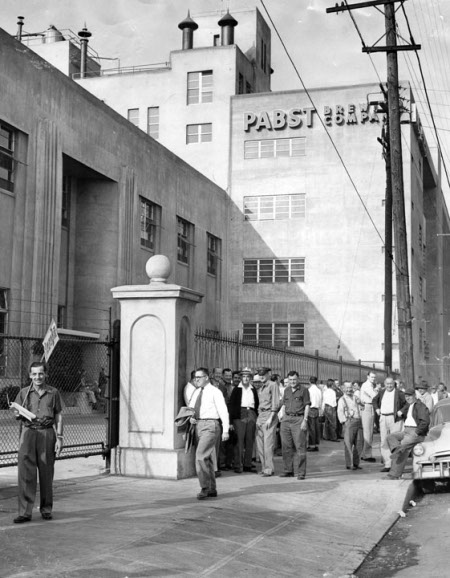
Strike at the Pabst Brewery on North Main St, Lincoln Heights, 1954
Photo courtesy of LAPL
It’s called The Brewery for a reason, it used to be home to Pabst Beer. A beer reviled by people with good taste everywhere and now has surprisingly made a comeback with the Los Angeles bar crowd. How? Why? There is no answer that will stop my eyes from rolling, so keep on drinking the swill fellas, I’ll be enjoying my Craftsman brew!
Oh, did I mention that The Brewery is in Lincoln Heights?
The photo caption reads:
“A lone picket parades across the entrance of the Pabst Brewing Co. plant at 1920 North Main street as workers went on a strike in wage dispute. More than 1100 men were idled when picket lines were set up around this brewery and another in Van Nuys by AFL International Union of Operating Engineers. Photograph dated September 27, 1954.”
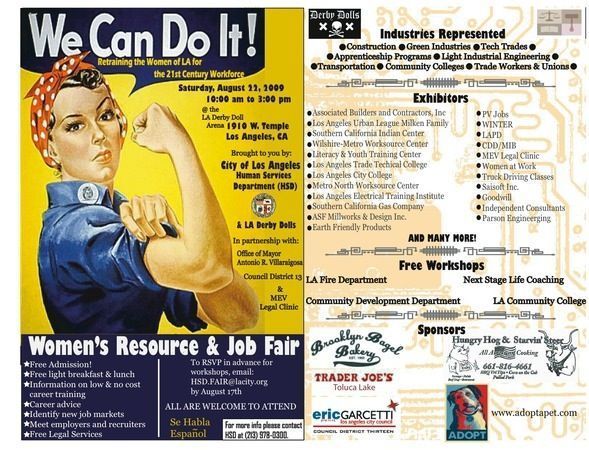
From the press release:
Take advantage of opportunities this summer to start a new career. On Saturday, August 22 from 10 a.m. to 3 p.m., the City of Los Angeles’ Human Services Department, the office of the Mayor Antonio R. Villaraigosa, City Council President Eric Garcetti’s Council District 13 and the L.A. Derby Dolls will host a free job fair for women at the home of the Derby Dolls – the Doll Factory (1910 Temple St., 90026).
The free community fair will include job placement assistance, opportunities for green jobs and unexplored avenues for women (such as local trade unions), as well as career training for positions in which employers are currently seeking candidates.
In addition, as part of the Economic Stimulus Package, the City of Los Angeles has received funds for improvement of infrastructure to the city. This has created numerous job opportunities within the city of Los Angeles. The goal of the Free Women’s Job Fair is to help interested women get connected, trained and ready for these jobs.
For any women currently unemployed or looking for a new career, join these community organizations on August 22nd at the Doll Factory for workshops and to meet employers, recruiters and trainers that want to see the women of Los Angeles succeed
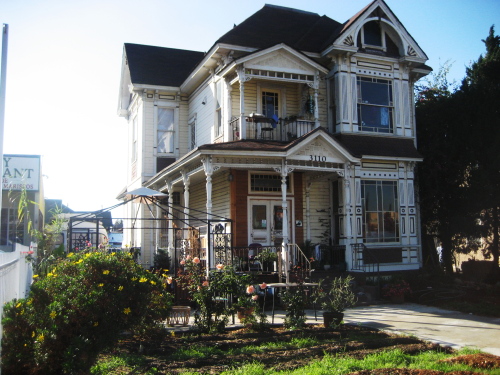
Victorian house on North Broadaway, Lincoln Heights. A perfect place for a Lincoln Heights Historical Museum, dontcha think?
Botanitas is an ongoing feature bringing you stories and news from various sources, upcoming events and other bits of ephemera that might be of interest to LA Eastside readers. Suggestions welcome!
Click thru for a stories about the hardly-working class, DIY cheese, firme rolas, Flamenco therapy and ghost trains. Woowoo!
Update 8/21: Honk 4 Health Care Vigil 5pm Today Cesar Chavez @ Soto
Honk For Health Care Barrio Vigil Rush Hour Today 5pm – 6:30pm at Cesar E Chavez Blvd and Soto Street – help rally Latino support for Health Care Reform – Support President Obama against right wing attacks!
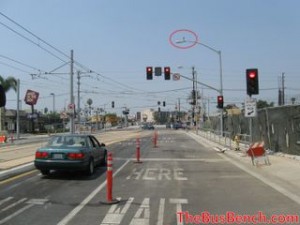
If you look at this photo you wonder what is this? And how did anyone think this was safe?
Why is the safety method on the Eastside going to be of the “pull yourselves up by the bootstraps†variety via cameras to blame personal drivers and old men in yellow vests reminding people to “be safe,†while the City of Los Angeles west of LaCienega get the “silver spoon†variety of safety with expensive barriers and elevated stations?
Why will there will be no testing out Darwinism theory of survival of the fittest on the Westside?
Only the neighborhoods with higher concentrations of poor people and brown and black people are tested with sink and swim theories.
The rail dips just one mile into the magic dividing line of LaCienega and the people on that side of LA who don’t walk or even use public transit as extensively as people on the Eastside get all of our tax dollars spent protecting them from being hit by a train that most of them won’t even take or even be near outside of driving by its protected barrier.
(This is an excerpt of a very long post entitled “Cameras Aren’t Going to Make Fewer People Die.”)
by Browne Molyneux

(Click on pic for a larger version)
I’ve spent time waiting in recycling lines before, but this one struck me as being massively long. You must take into account the other waiting people outside this frame, towards the left of the photo, whom left a gap to allow car traffic to come in and out of the parking lot. We were turning a corner and I just barely managed to turn on my camera to snap this one pic, but I’d say there were at least another 5-7 people waiting to turn some cans and bottles into a few dollars. Consider also that this was on a Tuesday around noon, not a common time for the casual weekend I-want-my-money-back recycler. These all appeared to be jobbers. Also note that is was just off Atlantic Blvd in Monterey Park, certainly not a place I’d expect this scene. Monterey Park, Montebello, and the areas beyond always seemed like neighborhoods that represented a first step beyond urban poverty, at least to me. I don’t know what’s happening out there right now but I’m seeing some familiar sights.
When the non-wino class starts getting into this less than lucrative business, that’s when you know things are getting tough.
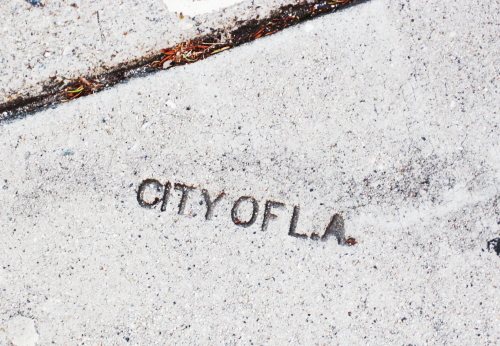
Someone (cannot remember who at the moment) once remarked on the lack of historical memory in our city and used the example of how we’ve taken our original city name, El Pueblo de Nuestra Señora la Reina de los Angeles del RÃo de Porciúncula and reduced it down to the abbreviated: L.A. It’s sort of telling and profound, no?
At one point in my life, I ceased using the term L.A. and switched to Los Angeles. At least for myself, a fourth generation Angelena, I felt that I should acknowledge the history of the city by using the official name.
How about you dear Eastside readers? What is your term of choice for our fair city? El Lay? Tongvaville? Trafficstan? Chalinotitlan?
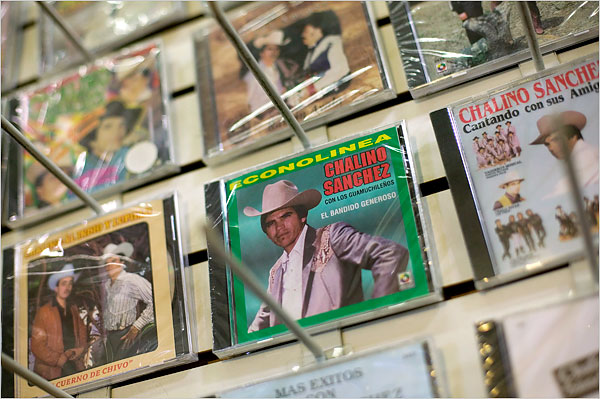
Photo: Eric Grigorian for The New York Times
This past weekend, the N.Y. Times‘ Travel section revisited Los Angeles, focusing on narcocorridos and venues that play an important part in its spread throughout Los Angeles. It went better this time than the last time they visited L.A.
Narcocorridos, and by extension, any form of Mexican music that is born and nourished in Los Angeles, are not covered much in the United States. Almost every time narcocorridos are mentioned in media, it’s tied with the current Mexican Drug war fiasco and spoken about negatively. I once sat in on a discussion with a well-known Mexican journalist at a university and she all but blamed the whole situation in Mexico & the Americas on narcocorridos. The whole time I sat there, I shook my head, unable to comprehend how someone could explicitly blame corridos for the “drug war” in México.
Coverage of narcocorridos in the U.S. is much different than in México. The United States is much less subjective than México in its coverage of narcocorridos. Mexican journalists have bought the Mexican government’s argument that narcocorridos are to blame for the drug trade and must be banned from radio play. American journalists have gone further into narcocorridos, documenting its rise and popularity among Mexicans in the United States and the constant airplay in radio. It’s a musical form that allows the children of Mexican immigrants to become immensely popular, though the singing is sometimes sub-par. Continue reading
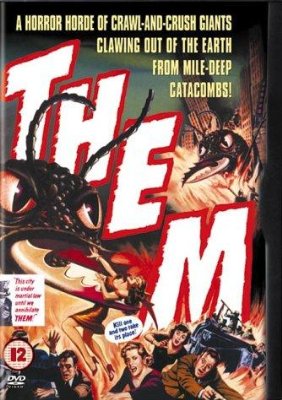
The famous 1954 thriller â€THEM†about the giant ants, changed by an atomic bomb blast and who migrated and set up their colonies in the LA storm drain system, filmed in the LA River and Lincoln Hts. I watched them film some of those scenes in the river with actor James Arness before he became Sheriff Dillon in the TV series “Gunsmokeâ€
As a kid, I also witnessed some filming of the movie “Six Bridges To Cross†starring Tony Curtis and Sal Mineo, done on Sichel St. and around the Main St Bridge in 1955.
In the 1950 film noir classic “DOA†there’s a scene shot on the old wooden pedestrian bridge that took you from Elysian Park to Dog Town.
Continue reading
Quetzal-This Is My Home
Take a trip through the Eastside with our homegrown talento, Quetzal.